
Indrayani rice, a cherished variety native to Maharashtra, India, has been a staple in the region’s cuisine since its development in 1987. This aromatic, medium-grain rice is renowned for its unique fragrance and slightly sticky texture, making it a versatile ingredient in various traditional dishes. Whether you’re a home cook, chef, or rice enthusiast, Indrayani rice is an excellent choice for both quality and flavor.
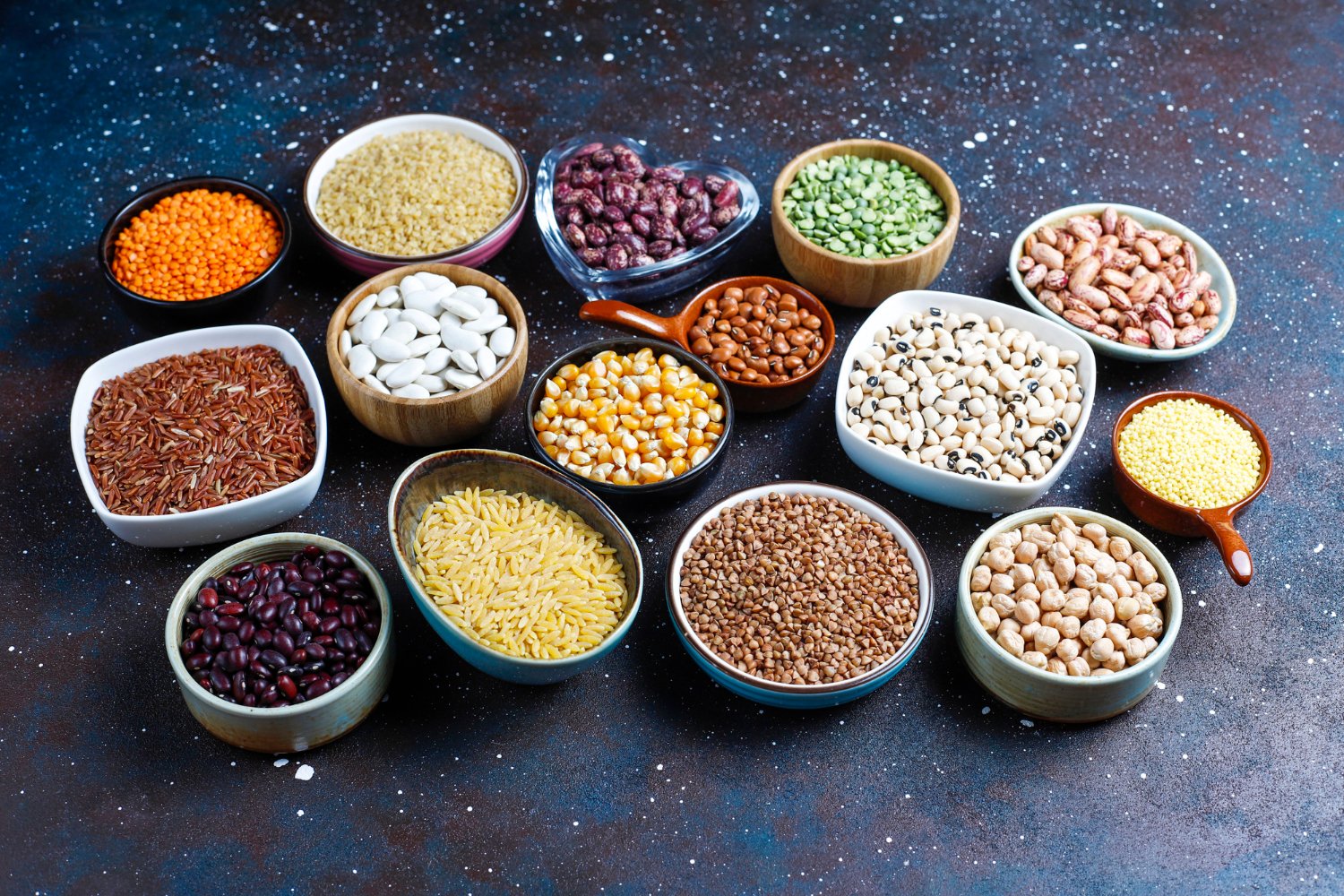
India has always been a major player in oilseed production, contributing significantly to both domestic consumption and global trade. With a diverse range of oilseed crops grown across different regions, this sector supports millions of farmers and helps meet the rising demand for edible oils.
Oilseeds are broadly classified into two categories:
India’s oilseed production has evolved significantly, with around 72% of oilseeds grown in rainfed conditions. The government’s proactive initiatives have played a key role in improving productivity and reducing dependence on imports.
A major turning point came in 1986 with the launch of the Technology Mission on Oilseeds (TMO), which led to substantial growth in oilseed production. In 1985-86, India produced 108.3 lakh tonnes of oilseeds, a figure that has now soared to 396.693 lakh tonnes in 2023-24, with a record 413.550 lakh tonnes in 2022-23.
Among the nine major oilseed crops cultivated, the biggest contributors to total production are:
When it comes to total cultivated area, the largest shares belong to:
To boost domestic oilseed production and reduce import dependency, the Indian government has implemented several schemes, including:
These initiatives have played a crucial role in improving productivity, enhancing farmer incomes, and ensuring a stable supply of oilseeds in the market.
Despite impressive growth, several challenges still impact the sector:
With continued investment in research, technological advancements, and better farmer support programs, India has the potential to become self-reliant in oilseed production. Sustainable farming practices, improved post-harvest infrastructure, and value-added processing can further strengthen India’s position in the global oilseed market.
Oilseeds remain an essential part of India’s agricultural economy, providing employment and contributing to food security. By leveraging innovation, policy support, and farmer-driven initiatives, the country can continue to achieve new milestones in oilseed production.
For the latest updates on oilseed policies and development, visit the Directorate of Oilseeds Development (DOD) at https://oilseeds.dac.gov.in.